About PPSQS

Learn how PPSQS advances patient safety, quality standards, and safer care for communities across Pakistan.
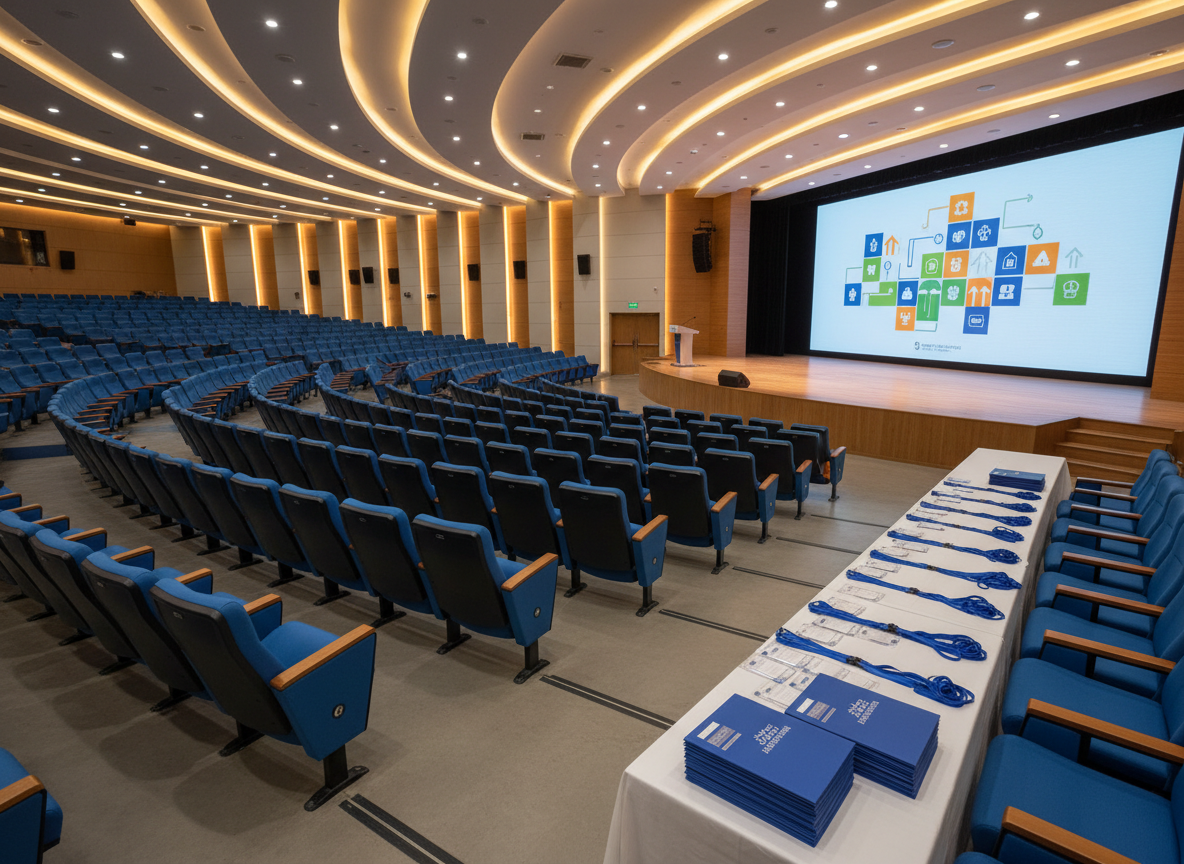
A modern medical auditorium set up for a patient safety conference in Pakistan, with rows of empty, cushioned seats facing a wide stage. Onstage, a sleek podium stands beside a large projection screen displaying an abstract slide of colorful blocks and icons in place of text. Along one side, a registration table holds lanyards, blank name badges, and neatly stacked folders symbolizing membership materials. Warm, indirect ceiling lighting bathes the room, creating a welcoming, professional atmosphere. Photographic realism, wide-angle shot from the back of the hall with strong leading lines drawing attention to the stage, capturing the sense of organized, high-level collaboration focused on safety and quality improvement.
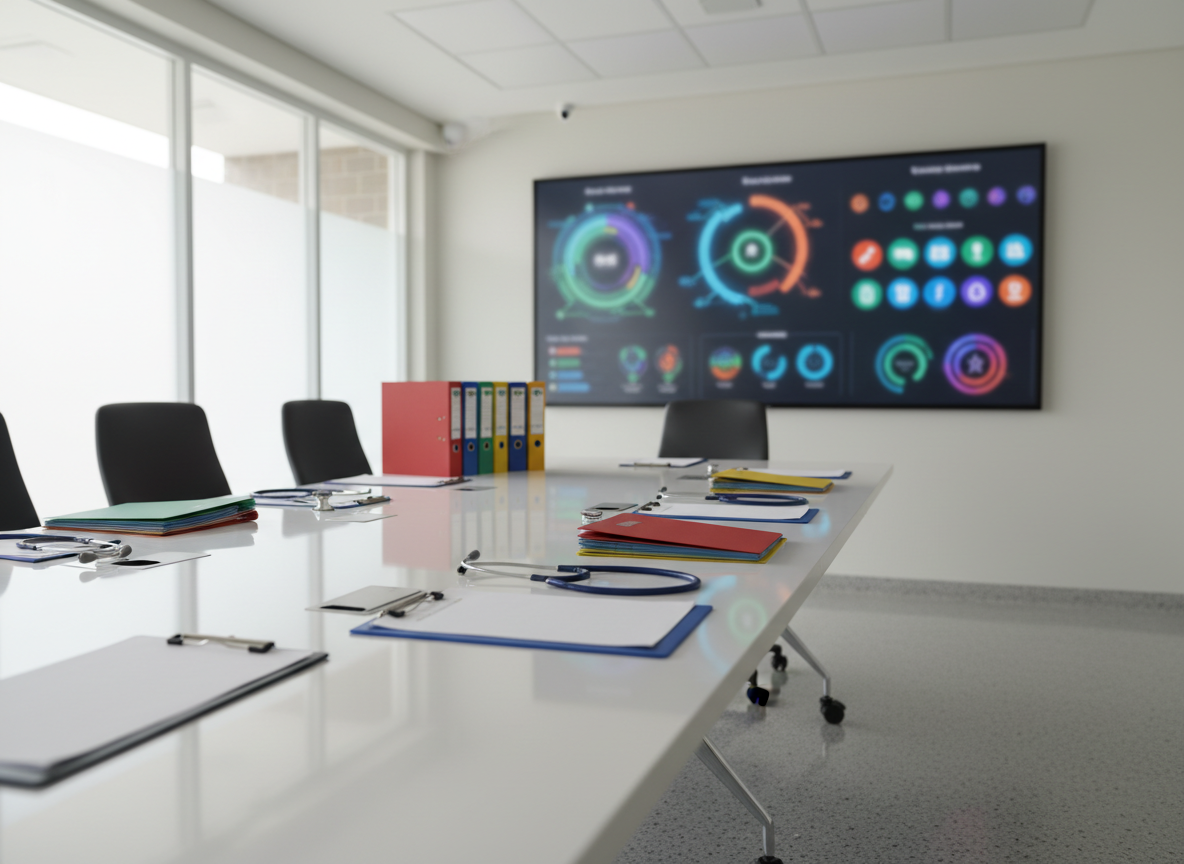
A meticulously organized hospital safety command center with a large, wall-mounted digital dashboard displaying abstract, colorful charts and icons representing patient safety indicators, infection rates, and quality metrics, all deliberately blurred to remove legible text. In the foreground, a polished white conference table holds neatly arranged clipboards, stethoscopes, and color-coded folders, symbolizing protocols and checklists. Soft, diffused daylight filters through frosted glass panels, creating a calm, clinical glow with gentle reflections on the floor. Photographic realism, eye-level composition with a slight wide-angle lens, sharp focus on the table leading the eye toward the dashboard, conveying professionalism, vigilance, and a culture of safety in a modern Pakistani healthcare environment.

Advancing Patient Safety in Pakistan

Pakistan Patient Safety and Quality Society unites clinicians, managers, and policymakers to reduce harm, standardise best practices, and embed a culture of safety so every patient, in every setting, receives reliable, high-quality, compassionate care.

Our Leadership
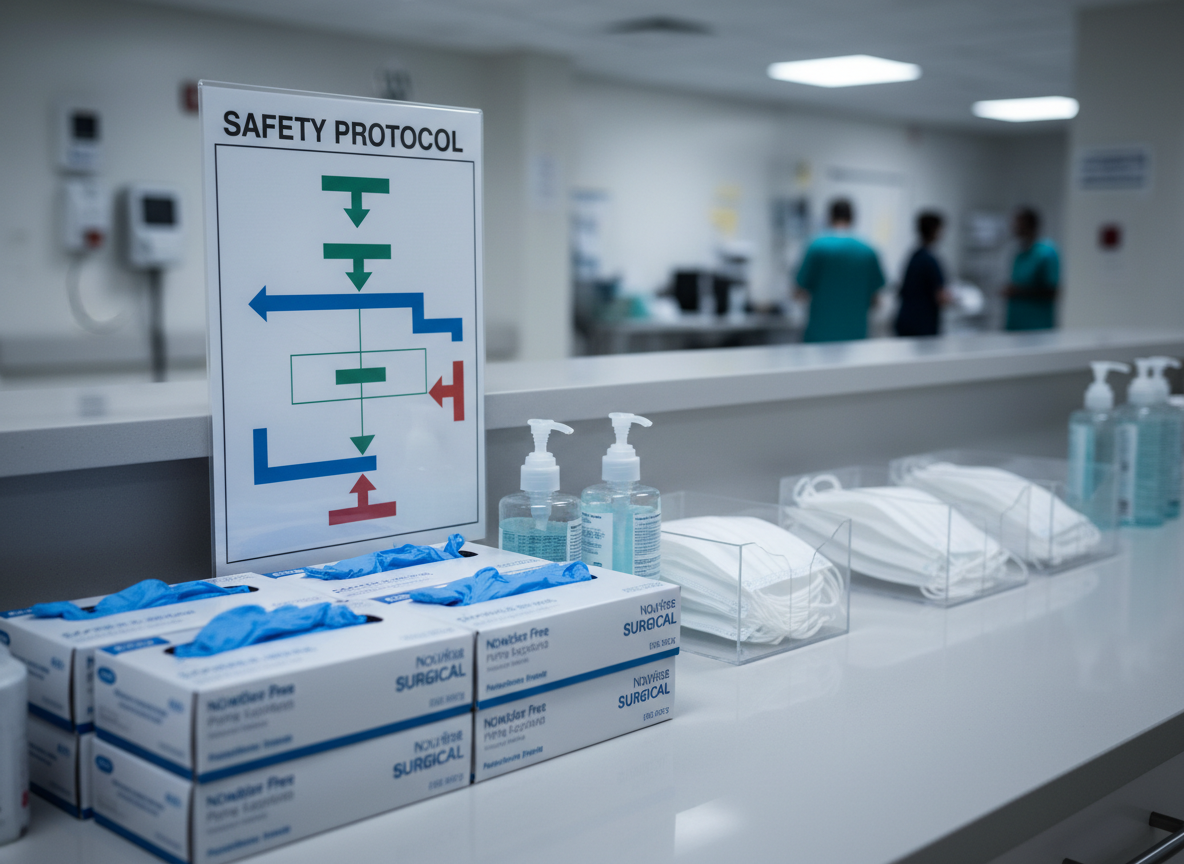
A close-up, photographic view of a hospital workstation countertop displaying neatly aligned non-branded surgical gloves, disposable masks, hand sanitizer bottles, and a laminated, text-free flowchart-style safety poster represented only by colored shapes and arrows. The surface is smooth, light gray, and spotless, with a subtle reflection enhancing the sense of cleanliness. Overhead clinical lighting creates even, shadow-free illumination, while a softly blurred background hints at an active ward corridor with muted tones. Shot from a slightly elevated angle with shallow depth of field, the composition centers the protective equipment, evoking preparedness, rigorous infection control, and a commitment to patient safety and quality in everyday practice.

Aarav Sharma

CEO

Leads strategic direction for national patient safety standards and multidisciplinary quality improvement initiatives across Pakistan.
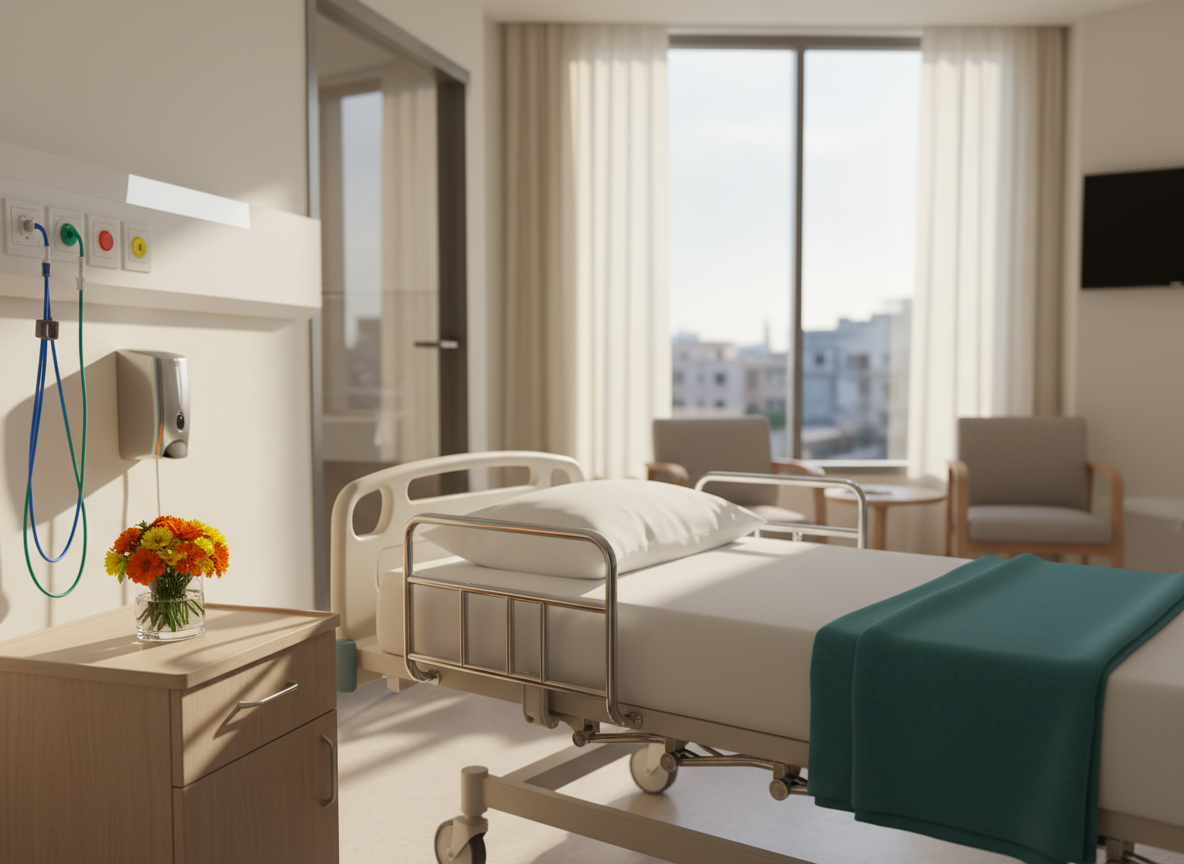
A spotless patient room in a contemporary Pakistani hospital, featuring a single adjustable bed with crisp white linens and neatly folded teal blankets, surrounded by carefully arranged safety equipment: raised side rails, a clearly visible call button panel without readable text, color-coded tubing, and a wall-mounted hand hygiene dispenser. A vase with fresh marigolds sits on a compact bedside cabinet, adding warmth. Soft afternoon light enters through a large window with sheer curtains, casting gentle shadows and a serene atmosphere. Photographic realism, eye-level framing with rule-of-thirds composition, ensuring sharp detail on the bed area while the background remains softly blurred, emphasizing comfort, safety, and dignified care.

Mateo García

CTO

Advises on clinical governance, risk management, and evidence-based policies that strengthen safe care delivery.

A modern medical auditorium set up for a patient safety conference in Pakistan, with rows of empty, cushioned seats facing a wide stage. Onstage, a sleek podium stands beside a large projection screen displaying an abstract slide of colorful blocks and icons in place of text. Along one side, a registration table holds lanyards, blank name badges, and neatly stacked folders symbolizing membership materials. Warm, indirect ceiling lighting bathes the room, creating a welcoming, professional atmosphere. Photographic realism, wide-angle shot from the back of the hall with strong leading lines drawing attention to the stage, capturing the sense of organized, high-level collaboration focused on safety and quality improvement.

Zuri Ndlovu

Engineer

Champions education and training programmes that build frontline capacity for error prevention and safer systems.

A meticulously organized hospital safety command center with a large, wall-mounted digital dashboard displaying abstract, colorful charts and icons representing patient safety indicators, infection rates, and quality metrics, all deliberately blurred to remove legible text. In the foreground, a polished white conference table holds neatly arranged clipboards, stethoscopes, and color-coded folders, symbolizing protocols and checklists. Soft, diffused daylight filters through frosted glass panels, creating a calm, clinical glow with gentle reflections on the floor. Photographic realism, eye-level composition with a slight wide-angle lens, sharp focus on the table leading the eye toward the dashboard, conveying professionalism, vigilance, and a culture of safety in a modern Pakistani healthcare environment.

Leila Haddad

Designer

Provides expert guidance on measurement, accreditation, and data-driven improvement for hospitals and health systems.

Reviews

A close-up, photographic view of a hospital workstation countertop displaying neatly aligned non-branded surgical gloves, disposable masks, hand sanitizer bottles, and a laminated, text-free flowchart-style safety poster represented only by colored shapes and arrows. The surface is smooth, light gray, and spotless, with a subtle reflection enhancing the sense of cleanliness. Overhead clinical lighting creates even, shadow-free illumination, while a softly blurred background hints at an active ward corridor with muted tones. Shot from a slightly elevated angle with shallow depth of field, the composition centers the protective equipment, evoking preparedness, rigorous infection control, and a commitment to patient safety and quality in everyday practice.

Aya Nakamura

PPSQS helped our hospital establish a just culture, transparent reporting, and measurable safety improvements that significantly reduced preventable harm to patients.

A spotless patient room in a contemporary Pakistani hospital, featuring a single adjustable bed with crisp white linens and neatly folded teal blankets, surrounded by carefully arranged safety equipment: raised side rails, a clearly visible call button panel without readable text, color-coded tubing, and a wall-mounted hand hygiene dispenser. A vase with fresh marigolds sits on a compact bedside cabinet, adding warmth. Soft afternoon light enters through a large window with sheer curtains, casting gentle shadows and a serene atmosphere. Photographic realism, eye-level framing with rule-of-thirds composition, ensuring sharp detail on the bed area while the background remains softly blurred, emphasizing comfort, safety, and dignified care.

Mateo García

Their training and mentorship transformed our morbidity meetings into powerful learning forums, strengthening teamwork and clinical reliability across high-risk departments.